1.Eat all the time. Have you ever seen a fat hummingbird? Chances are, the answer is “no” unless it has some kind of metabolic disorder. The vast majority of hummingbirds are three things: slim, constantly moving, and constantly eating. We can certainly learn from these tiny, frenetic animals. Eating (small snacks) 5-6 times a day instead of gorging on three big meals actually puts the body into hyper-drive. Metabolism revs up and calories get burned. The opposite: long periods of fasting (as in "3 square meals") makes the body into an energy miser. It goes into starvation/conservation mode and begins to store fat. That’s the body’s natural answer to the question “hmm, I wonder when my next meal will be?”
TIP: Eat small meals (e.g. an apple and some string cheese) every 3 hours until about 7PM.
2.Turn on and tune up your mitochondria. At the cellular level, energy comes from power-packed mitochondria. They’re mostly located in muscle tissue and their main role is providing energy for lifting a dumbbell and/or that triple decker whopper you’re eating. As we get older, we begin to lose mitochondria and, thus, the ability to make food into energy. The unfortunate result is that the body stores up that unused food as fat. TIP: Exercise to increase mitochondria. You’ll have more energy and less fat.
3.Don’t stress out, workout. There are about 100 ways to gain weight and stressing out is one of the top ten. Don't stress out about it, though, because turning this around is simple. Instead of stressing out do some physical activity. You'll gain muscle which helps you to burn calories. This is especially important because as we age, muscle begins to shrink (a condition known as sarcopenia). So if you’re over 40 exercise is doubly important. While you're combatting the muscle wasting, the exercise also helps you to feel better and decrease stress hormones that can lead to weight gain. TIP: Workout to look and feel better
In summary, follow the way of the hummingbird, nature’s marvelous athlete. Eat (nutritious food) constantly and don’t stop moving.

1. Because 2008 was soooo 1999. All those things that weren’t good for you in the previous year should go out of fashion like Aqua-net plastered bangs. Just apply the rule for handling clutter: if you don’t need it, don’t want it and can’t use it, throw it away! That goes for bad habits too.
2. Because Jack Lalanne (the Juiceman) said: “if a man made it don’t eat it” and “if it tastes good, spit it out.” Now I wouldn’t be so extreme. Even Jack Lalanne can’t put down a good hummus dip, a slice of watermelon, or a nice juicy buffalo burger. Point is, though, most people can change their eating habits and the new year is a natural time to do it.
3. Because you are what you eat. Okay, this is very much like point number two but it’s THAT important. The new year is time to feel clean and lean. You’re going for the trim polished look of a celery stick. You don’t want to look deep fried and oily and you wouldn’t want Jack Lalanne to spit you out.
4. Because when the boogie man goes to sleep he checks the closet for Chuck Norris. And Chuck Norris WILL get on your case if you don’t start some kind of exercise program.
5. Because, at the age of 70, while shackled and restrained, Jack Lalanne propelled himself using his own two hands and two feet for 1.5 miles through the ocean while pulling 70 boats with 70 people in them. Alright, if you’re under 70 you just can’t let Jack show you up like that.
By the way, the pic at top right isn't me, it's Jack Lalanne. I'm personally not too fond of one piece jumpsuits, even the glorified yellow jammies Bruce Lee used to wear.
If you're female, postmenopausal and sedentary, you have three reasons to keep reading.Here's why: you're at increased risk for osteoporosis. Luckily, there's a few things you can do about it.
1. Gain weight: Yes, it's true. Tipping the scales will increase the load that your bones have to bear. In the world of bone making, load = growth. That said, I'm not advocating a bacchanal and binge fest. Being underweight, small-framed and light footed increases your risk for developing brittle bones. However, getting fat is not the best solution, considering the side effects (heart attack, stroke, diabetes...)So I repeat, although gaining weight will help with bone density, I do NOT recommend it. For the love of your body, don't pull out the kettle corn and start watching a Twilight Zone marathon.
2. Exercise: This, is by far, a better choice than trying to gain so much weight you can file for disability (a la Homer Simpson). Unlike obesity, exercise can stimulate bone growth without causing 50 adverse side effects. All exercise is not created equal, though. You need to make sure it's "weight-bearing." Examples include running, walking and weight-lifting, all of which put stress on your bones and lead to increased growth.
3. Eat right: Milk, cheese, yogurt, green leafy vegetables (marijuana is not a green leafy vegetable), nuts and various beans contain calcium, essential for bone formation and maintenance. If you're part cow and like to graze, you're already set up to succeed. Just go for the kale, collards and spinach. If you're not into the greens try dairy but make sure you stay away from the frozen, creamy stuff (putting it on top of a split banana doesn't make it less fattening). If your diet doesn't take you far enough, make sure to add a calcium supplement, especially if you're pregnant or over 50.
Check out these resources for more information on osteoporosis and bone health:
NIH Site
Osteoporosis in Men

Nature hasn’t taken part in the equal rights movement—this includes an equal right to disease. According to a new study by the CDC, women in America make up 60% of all new cases of diabetes. Sorry men. According to Dr. James Anderson, a professor of medicine and clinical nutrition at the University of Kentucky, obesity is one of the major factors behind this alarming statistic. In fact, he points out that "80% of people with type II diabetes are obese" (emphasis mine).
Anderson adds that “Fifty-five percent of women in the U.S are considered overweight and 35 percent are considered obese. So basically, we’re talking about 60 million women.”
Anderson sums it up like this: “…inactivity puts women at a greater risk for obesity, which is often a direct precursor to diabetes…For every one percent of her body weight a woman gains after high school, her risk for heart disease increases about five percent. For every same one percent gained, that woman’s risk of developing diabetes increases by 10 percent. In other words, if you’ve gained weight since high school (and that’s probably pretty much everyone), your risk for heart disease and diabetes has increased.”
And how do we combat this? Simple: get off the couch, chair, bench, rock, or whatever you’re sitting on and start moving! Diabetes is serious business.
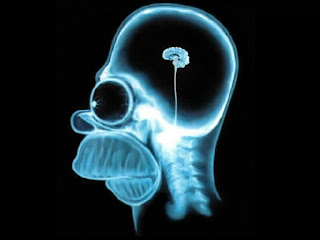
It seems that now you can keep your brain and use it too. At least that’s what researchers are saying about exercise and Alzheimer’s disease, the number one cause of dementia and the number six cause of death in the U.S. Although the results are preliminary, a number of studies suggest the exercise can help to prevent or even slow down Alzheimer’s by decreasing the amount of cortical loss associated with the disease. Translation: staying fit may keep your noggin’ from shrinking.
No one knows exactly how this works. It’s not even clear whether exercise simply prevents Alzheimer’s, decreases its impact, or both. There may even be some mysterious 3rd variable involved—perhaps better educated people are more likely to exercise their bodies AND their brains. This could account for both higher levels of fitness and lower rates of dementia. Kind of throws the “dumb jock” myth out the window, doesn’t it?
The evidence isn’t limited to humans. Laboratory mice that hit the gym more often have been shown to develop increased growth in the hippocampus, one of the main memory centers ravaged by Alzheimer’s.
As with everything worth knowing, the answer is usually that it’s "all of the above." Exercise and education about its benefits go hand in hand, that’s for sure. But exercise can also increase blood flow to the brain and keep that 3lb oxygen glutton happy…and a happy brain is a non-shrinking one.
Those of you who exercise know that it also keeps you happier. You also have the energy and drive to and are thus more likely to do things like Read, wRite, and do aRithmetic. That’s the “Three R’s” that educators say we can’t do without. Maybe those educators are right after all.

Okay. The delay is over. Here I am and so are you, so let’s get started on how exercising can change your life. My first feature post here will focus on diabetes because I consider it the gateway disease—invite diabetes and you’ll have a bunch of unwelcome guests crashing your party.
I’m all for scare tactics so allow me to use one now. According to the American Diabetes Association (ADA), the prevalence of the disease went up by 14% in the 2 years between 2005 and 2007. That’s a couple of million new cases!
In total, 24 million of your family members, friends, and neighbors throughout the U.S. now suffer from diabetes. Believe me, this is one club you don’t want to join. And if you already joined, now’s the time to opt out.
Let me tell you why in just three words: steep membership dues. There’s a number of very nasty fees you’ll end up paying. These range from the 2 to 4 times increased risk of developing heart disease and stroke to the almost certain dues in high blood pressure and nerve damage. As if that wasn’t enough, some of the taxes levied against you may include blindness (24,000 cases), kidney disease (44% of members), and amputations (over 70,000/year).
So there’s the nasty news. Want to hear the good news? It doesn’t matter if you have diabetes or you’re at increased risk because everyone in your gene pool has or had it, you can do things to help yourself. Two of those things are a good diet and exercise. For more information on diet, you can check out THIS. Here I’ll focus on a few benefits of exercise for diabetes.
First, a little diabetes 101:
Too little, ineffective or non-existent insulin levels allow glucose (sugar) to stay in the bloodstream. This starves your cells of the energy they need and allows the freely floating glucose to wreak havoc on all of the body’s systems. This, in a nutshell is what diabetes does. Exercise can help to turn this around:
1. Exercise helps directly to lower glucose levels
2. Exercise also increases lean muscle which helps to pull the glucose out of your bloodstream and into your cells
3. Lastly, exercise ensures a healthy heart, mind and body. This helps to ward off the uninvited dinner guests that diabetes likes to bring with it.
So there you have it; another reason to exercise regularly. This is something all of the Beachbody programs help you to do, But if you or someone you know needs something more, you can check out Beachbody’s “Project You 2” It's a fitness AND diet program developed with and approved by Beachbody, a team of doctors and educators and the American Diabetes Association.


 , Posted in


